Canada Avoids 50% US Tariff Hike After Last-Minute Trade Deal
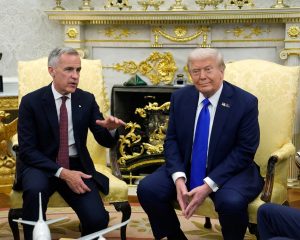
Canada has temporarily avoided a major 50% US tariff increase after reaching a last-minute agreement with officials from the Trump administration on Tuesday evening, just hours before the higher duties were due to take effect.
US President Donald Trump said late Tuesday that he had paused the tariffs for three days, citing an agreement between the two countries that is still subject to the finalization of official documents.
“Canada and the USA, subject to the finalization of documents, have a DEAL!” Trump wrote in a social media post.
Canadian Prime Minister Mark Carney confirmed that the two sides had made “substantial progress” toward a broader trade agreement, while warning that additional work remained.
The proposed tariffs would have affected around $20 billion worth of Canadian goods, including products such as wine and hockey sticks. The move had raised concerns among Canadian businesses about higher export costs and potential economic damage.
Trump also suggested that the long-delayed Keystone XL pipeline project could potentially be revived, saying the project “may be awoken from the grave.” He did not provide details on whether the pipeline was part of the latest tariff agreement.
The Keystone XL project, first proposed in 2008, was designed to transport oil from Canada’s western oil sands to US refineries. The project was abandoned by its owner, TC Energy, in 2021 after then-President Joe Biden revoked a key permit required for the US portion of the pipeline.
The pipeline became a major source of tension in US-Canada relations, drawing opposition from environmental groups, US landowners and Native American tribes over concerns about environmental damage and potential oil spills.
The latest agreement follows more than a year of strained relations between the two longtime allies. Relations deteriorated after the Trump administration introduced a 25% tariff on Canadian imports in February 2025, citing concerns over illegal immigration and drug trafficking at the US-Canada border.
Canada responded with retaliatory tariffs, describing the US measures as “unwarranted and unreasonable.” Canadian officials also disputed Washington’s claims, saying the country had strengthened border security and that only a very small share of fentanyl trafficking and illegal crossings into the US originated in Canada.
Tensions escalated again in July 2026, when the White House announced plans for 50% tariffs on certain Canadian goods. The administration said the measures were intended to address what it described as discrimination against US-produced automobiles, alcohol and dairy products.
The latest breakthrough came after several days of intensive negotiations between senior officials from both countries. Carney described the discussions as “intense and delicate.”
Canada and the United States have historically maintained one of the world’s largest bilateral trading relationships. Trade between the two countries was estimated at about $909 billion in 2024, according to the US Trade Representative.
The proposed tariffs had generated significant concern among Canadian businesses, particularly exporters who warned that higher duties could make their products uncompetitive in the US market.
Some Canadian goods that had previously benefited from tariff protection under the United States-Mexico-Canada Agreement (USMCA) were also expected to face the new duties.
For now, the three-day pause gives both countries additional time to finalize the details of the agreement and potentially prevent another major escalation in the North American trade dispute.